
PM2.5 is the concentration of fine particles smaller than 2.5 micrometres, measured in micrograms per cubic metre (µg/m³). On the US scale, up to 9 is good, 9 to 35 is moderate, 35 to 55 is unhealthy for sensitive groups, and above 55 is unhealthy for everyone. The air quality index (AQI) converts that into a 0 to 500 score where under 50 is good and over 150 is unhealthy.
What PM2.5 is
PM stands for particulate matter: tiny solid and liquid particles floating in the air. 2.5 is the size limit in micrometres. A PM2.5 particle is about 30 times thinner than a human hair, far too small to see.
Size is what makes it matter. Larger dust is caught in your nose and throat. Particles this small travel deep into the lungs, and the smallest pass into the bloodstream. Long-term exposure is linked to heart and lung disease, which is why PM2.5 is the pollutant health agencies watch most closely.
Where it comes from:
- Burning. Wood stoves, coal, wildfires, diesel engines, crop burning.
- Traffic. Exhaust, and also brake and tyre wear.
- Industry and power generation.
- Chemistry in the air. Gases from farming and traffic react to form new particles.
- Nature. Desert dust, sea salt, volcanic ash.
The scale
Air quality scales differ between countries. The most widely used is the US Environmental Protection Agency's six-step scale, updated in 2024.
| Rating | PM2.5 (µg/m³) | AQI | What to do |
|---|---|---|---|
| Good | 0–9 | 0–50 | Nothing. Enjoy it. |
| Moderate | 9.1–35.4 | 51–100 | Fine for most. Unusually sensitive people may notice. |
| Unhealthy for sensitive groups | 35.5–55.4 | 101–150 | Children, older adults and people with heart or lung conditions should cut back hard outdoor exercise. |
| Unhealthy | 55.5–125.4 | 151–200 | Everyone should reduce long or intense activity outside. |
| Very unhealthy | 125.5–225.4 | 201–300 | Avoid outdoor exertion. Keep windows closed. |
| Hazardous | 225.5+ | 301+ | Stay indoors with filtered air if you can. |
The World Health Organization's guideline is stricter than "good" on this scale: a 24-hour average below 15 µg/m³ and a yearly average below 5.
Why the weather decides the air quality
The same city with the same traffic can have clean air on Tuesday and a haze on Wednesday. The difference is the weather.
- Wind disperses pollution. Calm days let it build up.
- Inversions. On clear, still nights the ground cools and chills the air above it. Warmer air higher up then acts as a lid, trapping smoke and exhaust near the ground. This is why winter mornings in valleys are often the worst, and why air quality and fog so often arrive together.
- High pressure brings sinking air and light winds, so pollution accumulates day after day. A stubborn high in winter is the classic setup for a smog episode.
- Rain washes particles out. The air after a front is usually the cleanest of the week.
- Wind direction can carry wildfire smoke or desert dust hundreds or thousands of kilometres.
What to change when the number is high
- Time your exercise. Pollution from traffic and heating usually peaks in the morning and evening rush. Midday is often cleaner in winter.
- Move away from roads. Levels fall quickly with distance. A park one block back from a main road can be noticeably better.
- Ventilate when it is clean. Open windows when the reading is good and close them when it is poor.
- Filter indoors. A HEPA air purifier in the bedroom makes a real difference during smoke episodes.
- Masks. A well-fitted FFP2 or N95 mask filters fine particles. A cloth or surgical mask does very little against PM2.5.
If you have asthma or a heart or lung condition, follow the plan your doctor gave you. This is general guidance.
Air quality in Magic Weather
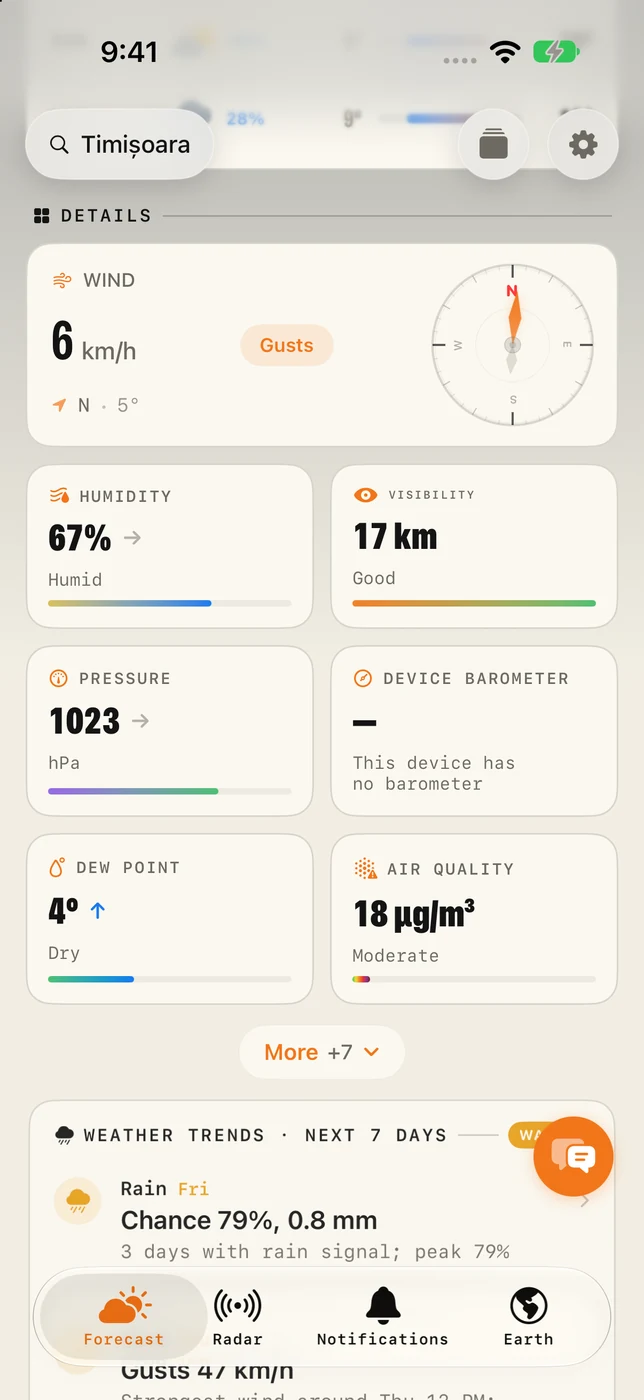
- The Air quality tile shows fine particles in µg/m³ with a plain rating such as Good or Moderate.
- The Radar tab has an Air quality layer, so you can see how levels vary around you and where a smoke plume is heading.
- Visibility, in its own tile, often falls as particles rise. Watching both together shows whether haze is building.
- The Earth tab can show active fires, a common source of sudden drops in air quality far downwind.
Common questions
What is a safe PM2.5 level?
The World Health Organization recommends that the 24-hour average stay below 15 µg/m³ and the yearly average below 5 µg/m³. On the US scale, anything up to 9 µg/m³ counts as good.
What is the difference between AQI and PM2.5?
PM2.5 is a measurement: the weight of fine particles in a cubic metre of air. The AQI is a score from 0 to 500 calculated from PM2.5 and other pollutants, so that different pollutants can be compared on one scale.
Why is air quality worse in winter?
Cold, still nights trap a layer of cold air near the ground under warmer air above. This temperature inversion acts like a lid, and smoke from heating and traffic builds up under it until wind or rain clears it.
Does rain improve air quality?
Yes. Rain washes particles out of the air and the wind that comes with it mixes in cleaner air. Air quality is often at its best just after a front has passed.